
(Oldglorychronicle.com) – A viral “ceasefire sabotaged” narrative is colliding with hard reality: Trump’s Iran truce never covered Hezbollah or Lebanon in the first place.
Story Snapshot
- Israel struck more than 100 Hezbollah-linked targets in Lebanon on April 8, with Lebanese officials reporting 182 killed nationwide, including 91 in Beirut.
- Iran threatened to walk away from a U.S.-Iran ceasefire unless Lebanon is effectively included, turning Hezbollah into leverage against Washington.
- Israeli officials said the U.S.-Iran arrangement does not apply to Lebanon, and Israel described the strikes as aimed at Hezbollah infrastructure.
- Tucker Carlson’s widely shared commentary labeled the strikes a “terror attack,” but available reporting does not establish intent to “destroy” Trump’s deal.
What actually happened in Lebanon—and why the label war matters
Israel’s military carried out large-scale strikes across Lebanon on April 8, hitting more than 100 targets that Israel tied to Hezbollah operations, including sites in and around Beirut. Lebanese health authorities reported 182 people killed nationwide, including 91 in Beirut, after strikes reportedly hit parts of the Dahiya area, known as a Hezbollah stronghold. Israel has argued Hezbollah embeds in civilian areas, a point central to how each side frames civilian harm and legitimacy.
That framing battle surged in the U.S. after a Tucker Carlson segment described the strikes as a “terror attack” and claimed they “destroyed” President Trump’s ceasefire with Iran. The rhetoric is emotionally powerful, especially for Americans who want Washington disentangled from foreign conflicts. But the key factual question is narrower: whether Israel’s Lebanon campaign was inside the scope of Trump’s Iran ceasefire, and whether the available reporting supports claims of deliberate sabotage.
Trump’s Iran ceasefire vs. Hezbollah: a narrow deal meets a wider war
Reporting on the two-week U.S.-Iran ceasefire described it as focused on de-escalation tied to “Operation Epic Fury” and did not treat Hezbollah as a covered party. That distinction matters because Iran is now pressuring Washington to enforce terms that appear broader than what was publicly described. Iranian officials warned the ceasefire could collapse if Hezbollah’s exclusion continues, effectively linking U.S.-Iran diplomacy to Israel’s separate fight with an Iran-backed militia.
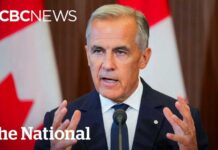
Israel’s position has been blunt: Prime Minister Benjamin Netanyahu said the ceasefire does not cover Lebanon and indicated the United States was aware of Israel’s security objectives while talks with Iran continued. That does not eliminate the risk of escalation; it clarifies the structure of the dispute. Iran’s strategy appears to be using regional proxy conflict to reshape what Washington thought it negotiated—an approach that can trap U.S. policymakers in endless “enforcement” demands abroad.
Competing claims: “sabotage” vs. a pre-existing exclusion
The strongest factual counterweight to the “sabotage” claim is that the Lebanon front was reportedly excluded from the ceasefire arrangement from the start. If a deal never covered Hezbollah, then Israeli strikes against Hezbollah do not automatically violate it—though they can still politically destabilize it by giving Iran a pretext to threaten withdrawal. In plain terms, a deal can be undermined without being breached, and that nuance matters when Americans are asked to take sides.
Another uncertainty is causation: the available reporting captures Iranian threats, Israeli explanations, and the scale of strikes, but it does not establish that Netanyahu acted with the specific intent of collapsing Trump’s U.S.-Iran ceasefire. The Carlson commentary offers a strong opinion and a call for U.S. “detachment,” yet it leans on loaded language rather than new verifiable evidence. Readers should separate verified scope-of-deal facts from pundit conclusions.
Why this resonates at home: distrust, “deep state” fears, and the cost of ambiguity
For many conservatives—and a growing number of liberals—this episode reinforces a bigger frustration: major foreign-policy decisions often feel opaque, and ordinary voters end up footing the bill when agreements are vague or expandable. When Iran can threaten “ceasefire or war” while pointing to events outside the deal’s stated scope, Americans are reminded how quickly limited commitments can morph into broader obligations. Clear terms and clear enforcement boundaries are the antidote.
For the Trump administration and a GOP-led Congress, the practical test is whether Washington can keep the Iran ceasefire narrowly defined while resisting attempts to make the U.S. the referee of every Israel-Hezbollah exchange. Limited government at home pairs naturally with limited mission creep abroad: if a ceasefire is meant to reduce U.S.-Iran escalation, it should not become a blank check to police regional proxy warfare. The next signals to watch are official U.S. statements clarifying coverage and consequences.
Sources:
Iran threatens to end ceasefire over Hezbollah’s exclusion from truce deal
Copyright 2026, Oldglorychronicle.com