
One small city outside Boston just turned a World Cup party into a test of how far local government can go when “safety” collides with basic freedom to gather and celebrate.
Story Snapshot
- Brockton, Massachusetts has ordered a rare citywide 10 p.m. curfew tied to Cape Verde’s World Cup match.
- Officials cite nine shootings, two stabbings, and 75 arrests from recent celebrations as the reason.
- Bars face a 7 p.m. entry cutoff and 9:30 p.m. last call, angering business owners and workers.
- The move fits a wider pattern of curfews and crackdowns that many Americans see as government overreach.
Brockton’s World Cup Curfew: What Is Happening Tonight
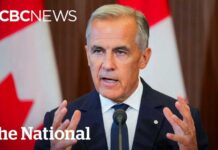
The City of Brockton, a working-class Massachusetts community with one of the nation’s largest Cape Verdean populations, has ordered everyone off the streets from 10 p.m. to 5 a.m. on the night of Cape Verde’s knockout World Cup match against Argentina. Mayor Moises Rodrigues announced that the curfew will begin after the 6 p.m. game and cover the entire city, with limited exceptions for first responders, people going to or from work, and those seeking medical care. This is not just a youth curfew; adults are included too.
City officials also tightened rules on nightlife for the evening. No one may enter bars or restaurants that serve alcohol after 7 p.m., and “last call” for alcohol sales must happen by 9:30 p.m. That means the city is forcing watch parties to end before the match even finishes, and preventing people from moving between venues once the game is underway. For bar owners and workers who count on a holiday weekend and World Cup traffic, these limits mean real lost income and shorter shifts.
Why Officials Say the Curfew Is Needed
Mayor Rodrigues and Brockton police leaders point to a clear spike in violence during past Cape Verde World Cup celebrations as the main reason for the curfew. According to the mayor, police records show nine shootings, two stabbings, and 75 arrests across the last three Cape Verde World Cup games, including four shootings after the most recent match. One recent incident left several people injured in gunfire after the game ended. Officials say they fear another round of chaos if thousands again flood the streets late at night.
The mayor’s written proclamation cites Massachusetts General Law Chapter 40 Section 37A as the legal basis for imposing a temporary “safety curfew.” That state law allows local leaders to act during emergencies to protect public safety. In his announcement, Rodrigues said the curfew aims to reduce criminal activity linked to post-game celebrations and to help police, fire, and medical crews respond faster if trouble breaks out. Brockton has also requested support from the Massachusetts National Guard, a step that underscores how seriously leaders view the risk.
Impact on a Proud Immigrant Community and Local Businesses
Brockton is sometimes called the “11th island” of Cape Verde because it is home to almost 20,000 residents with roots in the small African nation. For many families, Cape Verde’s first-ever deep run in the World Cup is not just a sports story; it is a rare moment of global pride for a community that often feels ignored. Street celebrations, music, and late-night gatherings have been part of that joy, even as some events turned violent. The curfew now tells that community to stay indoors during the biggest match in its history.
Local business owners say the order will hit their bottom lines on what should be a peak holiday and World Cup weekend. Bars and restaurants built special events around the match, only to see the city shut down entry after 7 p.m. and force last call before 10 p.m. Workers lose hours, tips, and overtime they were counting on. For many residents who already feel squeezed by high prices and uneven opportunity, this looks like one more example of government decisions landing hardest on regular people, not on the well-connected “elites” who can watch from private spaces without worry.
Safety Crackdowns, Curfews, and Growing Distrust
Curfews like Brockton’s are not new in the United States. Many cities have imposed youth curfews or citywide stay-at-home orders after riots, pandemics, or spikes in crime. Research on curfews shows a mixed record. Some studies and city experiences suggest they can move trouble to other hours or neighborhoods instead of stopping it. Social scientists warn that curfews often spark “reactance,” a feeling of anger that can make people more likely to break rules, not less. That reaction is stronger when people already distrust government motives.
Brockton business owners: Temporary curfew could affect holiday weekend, World Cup watch parties https://t.co/1UkvzTt4VF
— Boston 25 News (@boston25) July 3, 2026
The Brockton case hits a nerve because it blends several fears that both conservatives and liberals now share. For many on the right, the curfew looks like another example of officials using “public safety” to expand control, hurt small businesses, and ignore personal responsibility. For many on the left, it raises worries about heavy-handed policing in immigrant communities and the way security responses can overshadow cultural pride and civil rights. Both sides see a pattern: government steps in fast with bans and restrictions, but moves slowly on deeper problems like illegal guns, poverty, or lack of youth programs.
What This Says About Power, Community, and the World Cup
Global events like the World Cup often bring tight security plans, and international guides now urge host governments to use “layered” safety approaches and close work with local communities. But the Brockton curfew shows how those ideas play out on the ground in a small American city. Officials chose the bluntest tool they have—ordering people indoors—rather than sharing clear evidence on what other steps could work, or how they plan to measure whether this curfew reduces harm. That leaves many residents wondering if they are partners in public safety or just subjects of emergency rules.
Right now, there is no organized public counter-argument with data to challenge the mayor’s account of past violence, so his numbers stand untested. Still, critics across the spectrum ask familiar questions: Why is government quickest to restrict basic freedoms, business activity, and celebration, instead of fixing the daily conditions that let violence grow? How long will curfews and emergency powers be treated as normal tools rather than rare last resorts? Brockton’s World Cup night may be short, but the debate it exposes about trust in government is likely to last much longer.
Sources:
foxnews.com, wbur.org, youtube.com, facebook.com, nytimes.com, ojjdp.ojp.gov, instagram.com, un.org, kcl.ac.uk, en.wikipedia.org, citymayors.com
© oldglorychronicle.com 2026. All rights reserved.