
Two teens are now tied to the killing of Penn State student Billy Schmidt, but one suspect is still missing and key forensic answers are still pending.
Quick Take
- Philadelphia police issued arrest warrants for Kaiseem Smith and Azzubair Outen-Fleming in the case.
- Authorities say Azzubair Outen-Fleming was arrested in Colorado Springs, while Kaiseem Smith remains at large.
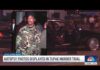
- Investigators say surveillance video shows the suspects near Schmidt before the shooting and during the chase.
- The case still depends on forensic work, including fingerprint review and ballistics matching, which have not been publicly confirmed.
Arrest Warrants Shift the Case Forward
Philadelphia police issued arrest warrants for both teenagers after weeks of searching for the people they say killed Billy Schmidt. News reports say the city also posted reward money for information that could lead to arrests and convictions. That move changed the case from a vague manhunt into a more defined criminal investigation. It also raised the stakes for prosecutors, who now have to link each suspect to the shooting with clear evidence.
Officials have said the investigation points to Kaiseem Smith as the shooter, while Azzubair Outen-Fleming was taken into custody in Colorado Springs. Philadelphia District Attorney Larry Krasner said the evidence “seems to indicate” Smith was the shooter, according to one report. Police have not publicly said that Smith has been arrested, and that gap keeps the case partly open. For now, the city has one suspect in hand and one still on the run.
Video and Witness Evidence Drive the Narrative
Surveillance footage appears to show two young men speaking with Schmidt before the shooting, and later shows a chase and the gunfire. One report says Schmidt’s father found the stolen phone under a car and turned it over to police. Those details matter because they help investigators build a timeline. They also show how much this case depends on video, witness accounts, and physical items rather than a public confession.
The footage has clear limits. Reports say the suspects’ faces are not clearly visible, so police are relying on behavior, movement, and location rather than a clean visual identification. That leaves room for defense lawyers to challenge how certain the identification really is, especially if no public forensic match has been released. The same problem appears in many high-profile city cases: the public wants fast answers, but the evidence takes time.
Teen Suspects Keep the Legal Stakes High
Both suspects are 16, which makes the case more sensitive in court and in public debate. Their age can sharpen arguments on both sides. Supporters of tough prosecution see a violent crime that deserves adult charges. Others may focus on youth, background, and whether the system can fairly handle a case involving teens accused of murder. Either way, the age factor is now part of the story, not a side note.
🚨 BREAKING: SECOND TEEN WANTED IN PENN STATE STUDENT’S MURDER SURRENDERS 🚨
The two-person manhunt for the suspects accused in the murder of Penn State student William “Billy” Schmidt has officially come to an end.
According to the U.S. Marshals Service, Kaiseem Smith, 16,… pic.twitter.com/FoJpoyDnu4
— PhillyCrimeUpdate (@PhillyCrimeUpd) July 2, 2026
The case also reflects a wider Philadelphia problem: serious violence often leaves families, neighbors, and police trapped between grief and uncertainty while the facts are still being assembled. The public wants closure, but investigators still need matching phone data, ballistics work, and a full arrest record before the case is complete. That gap fuels frustration on all sides, especially when the city has already seen how fast rumors, social media, and incomplete reports can shape public judgment.
Sources:
thegatewaypundit.com, instagram.com, x.com, facebook.com
© oldglorychronicle.com 2026. All rights reserved.