
(NationalFreedomPress.com) – A sanctioned oil tanker with ties to Iran’s illicit trade network successfully evaded U.S. Coast Guard and Navy forces in a humiliating defeat that exposes critical gaps in America’s maritime enforcement capabilities.
Story Highlights
- Sanctioned tanker *Bella 1* escaped hours-long U.S. pursuit despite having judicial seizure authority
- Third interdiction attempt this month reveals enforcement vulnerabilities in Trump’s Venezuela blockade strategy
- Stateless vessel with Iranian connections was heading to load Venezuelan crude for sanctions evasion
- Escape undermines U.S. credibility and signals to “dark fleet” operators that evasion remains feasible
Trump Administration’s Maritime Enforcement Suffers Setback
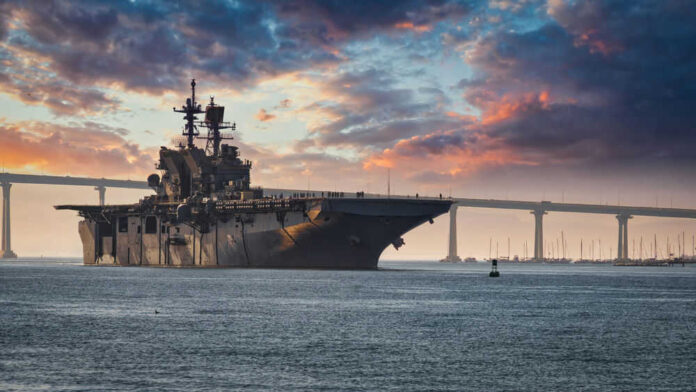
The U.S. Coast Guard and Navy forces failed to capture the sanctioned oil tanker *Bella 1* after an hours-long pursuit off Venezuela’s coast, marking a rare embarrassing moment for American maritime enforcement. The stateless very large crude carrier, with documented ties to Iran’s illicit oil trade, successfully slipped into international Atlantic waters despite operating under a judicial seizure order. This represents the third interdiction attempt in December 2025, following two successful tanker seizures earlier in the month.
Dark Fleet Operations Exploit Enforcement Gaps
The *Bella 1* operates as part of Venezuela’s “dark fleet”—a network of vessels covertly transporting sanctioned oil to evade U.S. Treasury sanctions. The massive tanker, exceeding 300,000 deadweight tons, approached Venezuelan waters in ballast with the intent to load crude oil for export. Maritime tracking data shows the vessel rarely exceeded 12 knots, making its successful evasion particularly surprising given the speed advantage U.S. forces should have maintained.
Procedural Delays Enable Enemy Escape
Critical delays in deploying the Coast Guard’s Maritime Security Response Team allowed the tanker to escape despite clear legal authority to board. The vessel flew a false flag and maintained stateless registration, standard tactics employed by sanctions-evading operators. U.S. officials acknowledged the vessel’s empty status but confirmed its intent to load Venezuelan crude, representing a pre-loading interdiction attempt designed to prevent cargo uptake entirely.
National Security Implications of Failed Interdiction
This enforcement failure undermines the Trump administration’s threat of a “total and complete blockade” of Venezuelan oil shipments, potentially emboldening other dark fleet operators. The escape signals vulnerabilities in policing large crude carriers and may accelerate the need for more aggressive boarding procedures. Venezuela gains a temporary victory in sustaining oil revenue streams that fund the regime’s operations, while U.S. enforcement credibility suffers in the Caribbean theater.
Despite the setback, U.S. officials remain confident in eventual success, stating “we’ll end up getting it” due to the vessel’s sanctioned status and Venezuelan origins. The incident highlights the cat-and-mouse dynamic between American enforcement efforts and increasingly sophisticated sanctions evasion networks that threaten to undermine constitutional authority over maritime commerce.
Copyright 2025, NationalFreedomPress.com