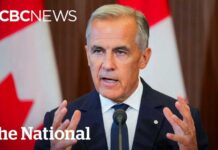

Donald Trump’s account of Lindsey Graham’s final hours has undercut the online poison rumors and shifted attention back to the senator’s sudden heart-related death.
Story Snapshot
- Trump said he spoke with Graham hours before his death and said Graham seemed tired but fine.
- The District of Columbia medical examiner’s preliminary finding pointed to aortic dissection from arteriosclerotic cardiovascular disease.
- Social media quickly filled with claims about Russian or Iranian involvement, but no public evidence backed them.
- The episode landed in a climate where conspiracy thinking spreads fast around sudden political deaths.
Trump Describes the Final Call
Trump told NBC News that he spoke with Graham on Saturday evening, just hours before the senator died. He said Graham sounded tired, but otherwise seemed okay. Trump also said the call touched on the Save America Act, a voting bill Graham wanted to move forward. The president’s comments made clear that Graham’s death was sudden, not the result of any known public attack.
That account matters because it matches the broader reporting that Graham had been active shortly before he died. News reports said he passed away after a “brief and sudden illness,” and the preliminary medical finding pointed to a torn aorta tied to heart disease. That is a natural medical explanation, not proof of poisoning. It also leaves room for routine final testing, which medical examiners often complete before a final death certificate is issued.
Medical Findings Do Not Support Poison Claims
The strongest public evidence so far is the preliminary finding from the District of Columbia medical examiner, which said Graham died from aortic dissection due to arteriosclerotic cardiovascular disease. That finding fits a heart-related emergency. It does not support claims that Russia, Iran, or any other actor poisoned him. Some social posts and videos pushed those theories anyway, but they offered no verified proof. In a case like this, rumor moved faster than facts.
That gap between facts and speculation is not new. Research shows conspiracy beliefs are common, and online media can intensify them when trust is low and details are still emerging. High-profile deaths are especially vulnerable to that pattern. People with strong political views often fill in blanks with the story they expect, not the one medical evidence supports. Graham’s death became a fresh example of how quickly a tragedy can become a theory.
Iran, Russia, and McConnell in the Same News Cycle
Trump’s remarks also came amid broader political noise about Iran and Senate Republican leadership. In related reporting, Graham had discussed foreign policy issues, including Russia sanctions and Iran, shortly before his death. That context likely helped fuel the rumor mill, since his work often put him at the center of hard-line foreign policy fights. But public reporting has not shown any link between those disputes and his death.
Sen. Lindsey Graham Dies Suddenly at 71; Sister Appointed to Finish His Term
Longtime Republican Senator Lindsey Graham (a key Trump ally and foreign policy hawk) passed away after a brief and sudden illness. The preliminary cause: aortic dissection (a tear in the aorta) due to… pic.twitter.com/f05PZvlopo— DonStafrico (@TvGooner) July 14, 2026
The same news cycle also highlighted Senate leader Mitch McConnell, whose absence has added to the sense of strain inside Republican ranks. Social media and cable commentary tied Graham’s death, McConnell’s health questions, and Trump’s agenda together as signs of a party under pressure. What stands out, though, is simpler: one senator died suddenly, the medical evidence points to a natural cause, and the internet rushed far beyond what the record supports.
Sources:
youtube.com, foxnews.com, people.com, facebook.com, instagram.com, npr.org
© oldglorychronicle.com 2026. All rights reserved.