
(Oldglorychronicle.com) – President Trump’s two-week ceasefire with Iran may have paused the shooting, but the bigger fight now is whether America’s allies will actually show up when U.S. forces take the hit.
Story Snapshot
- CBS News’ “The Takeout” described the U.S.-Iran ceasefire as “fragile,” even as the White House projects cautious confidence.
- The ceasefire follows early-April escalation that included Iran shooting down a U.S. fighter jet, raising the stakes for deterrence and credibility.
- Trump hosted NATO Secretary General Mark Rutte at the White House after publicly voicing disappointment with NATO support.
- The episode also featured an extended interview with former U.S. Archivist Colleen Shogan, underscoring how institutional trust and national identity remain political fault lines.
A ceasefire that tests U.S. strength and follow-through
CBS News’ April 8 episode of “The Takeout with Major Garrett” centered on a two-week U.S.-Iran ceasefire announced the day prior, framing it as a moment of “triumph and caution” because the pause could collapse quickly. The context is a sharp early-April escalation that included Iran shooting down a U.S. fighter jet. That sequence puts pressure on Washington to deter further attacks while avoiding a wider war that could spread across the region.
The available reporting summarized the ceasefire’s timing and political stakes more than its specific terms. That limitation matters because Americans tend to evaluate foreign policy by outcomes—reduced threats to U.S. troops, stable energy markets, and clear national purpose—rather than vague declarations. When details stay thin, opponents in Congress and the media often fill the vacuum with speculation. For voters already skeptical of federal competence, uncertainty can feel like yet another example of government talking big while struggling to deliver.
NATO’s burden-sharing problem returns to the spotlight
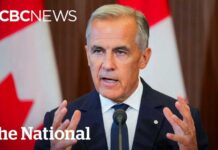
The same episode highlighted Trump’s White House meeting with NATO Secretary General Mark Rutte, which came after Trump expressed disappointment in NATO’s support. The immediate issue is alliance cohesion during a fast-moving crisis, but the larger trend is familiar: Americans questioning why U.S. taxpayers and service members shoulder disproportionate risk while some wealthy allies hesitate. For conservatives who prioritize national sovereignty and accountable commitments, this is a stress test of whether multinational institutions serve U.S. interests or dilute them.
Rutte’s visit also signals that the alliance understands the political danger of letting cracks show in public. NATO’s credibility rests on collective defense and shared resolve, yet public disputes can encourage adversaries to probe for weakness. At the same time, alliance unity is not a substitute for clarity about America’s own goals. If the ceasefire is meant to create leverage for diplomacy, the administration will need measurable benchmarks. If it is meant to reset deterrence, NATO’s role has to be defined beyond photo-ops and statements.
Media framing, public trust, and why “fragile” resonates
Major Garrett’s program bills itself as “steadfastly non-ideological,” and this episode’s structure reflected that: a fast-moving foreign policy story paired with a broader institutional conversation. That blend is revealing in 2026 because the public’s frustration is not limited to one party or one branch of government. When a ceasefire is described as “fragile,” many Americans hear more than battlefield risk—they hear a system that repeatedly lurches from crisis to crisis, then asks citizens to trust that the same leadership class has it handled.
Colleen Shogan’s segment and the deeper fight over national identity
The episode’s extended interview with Colleen Shogan, former U.S. Archivist and CEO of the National Archives, focused on her “In Pursuit” essay series. That segment may seem separate from war and alliances, but it intersects with a core American debate: what institutions preserve, what they promote, and what they forget. Conservatives often argue that civic confidence depends on honest history and stable national principles, not bureaucratic narratives that shift with political fashion. The show’s juxtaposition underscored how foreign policy and domestic legitimacy move together.
For the administration, the practical challenge is keeping the ceasefire from unraveling while managing an alliance relationship that Trump has repeatedly pushed to rebalance. For Americans watching from home, the political challenge is bigger: deciding whether Washington’s institutions—across parties, agencies, and international partnerships—are still capable of protecting the country without drifting into open-ended conflict. “The Takeout” episode captured that tension: a pause in fighting, a high-stakes NATO meeting, and a reminder that trust remains the scarcest resource in U.S. politics.
Sources:
Apple Podcasts — The Takeout with Major Garrett
Ground News — Fragile ceasefire underway in Iran, Trump hosts NATO chief at White House, more
iHeart — The Takeout with Major Garrett
Copyright 2026, Oldglorychronicle.com