
A United Nations fact-finding mission says there are reasonable grounds to believe a U.S. strike hit an Iranian primary school, killing well over 150 people, most of them children.
Story Snapshot
- A U.N. mission linked the Minab school strike to U.S. forces under a “reasonable grounds” standard.
- Investigators identified the school as a clearly civilian site with no evidence of military use.
- Preliminary U.S. inquiries reportedly point to likely U.S. responsibility, though no final report is public.
- U.S. officials say the incident is under investigation and stress the United States does not target civilians.
What Investigators Say Happened in Minab
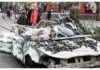
The Independent International Fact-Finding Mission on Iran reported “reasonable grounds to believe” U.S. forces carried out a strike that hit the Tree of Tayyiba Elementary School in Minab, Hormozgan Province. The mission described the school as a clearly identifiable civilian object and said it found no evidence of military use at the site. Iranian officials cited by international outlets put deaths above 150, with most victims reported as children, underscoring the civilian nature of the location.
Reporting summarized technical clues and weapon type. The mission reportedly linked the attack to Tomahawk cruise missiles and noted the United States was the only party in the conflict known to have that weapon, reinforcing the U.S.-responsibility theory. Casualty counts vary across outlets, ranging from more than 150 to at least 178, which complicates a precise tally but not the core claim that mass civilian deaths occurred.
How Washington Is Responding So Far
Senior U.S. officials have said the strike is under investigation and that the United States does not target civilians. Senator Marco Rubio said the Defense Department would investigate and that the United States would not deliberately strike a school. Reuters reported that U.S. military investigators believe U.S. forces were likely responsible, but they had not reached a final conclusion or published findings at that time. U.S. Central Command said it would be inappropriate to comment while the inquiry proceeds.
International outlets reported that preliminary internal U.S. reviews point to likely American responsibility, aligning with what the United Nations mission found under its legal threshold. Two U.S. officials told NBC News the United States was targeting the area near the school and was examining whether bad intelligence or poor targeting caused the strike, suggesting process failures rather than intent may be at issue. The United Nations human rights chief urged the United States to complete and release the probe.
Why This Matters for Accountability and Public Trust
This case highlights a pattern that crosses party lines: deadly errors happen, and official answers come late. Independent reviews have often shown higher civilian tolls than the government first reported, while military investigations frequently find no legal violations even when many civilians die. That history fuels a belief among Americans that powerful institutions shield themselves first and explain later, leaving families and voters without clear facts when it counts most.
Clear steps could reduce doubt. A transparent casualty registry, satellite imagery timelines, and the full targeting packet would show whether outdated maps, rushed calls, or flawed checks led to tragedy. Congress can demand documents, hold hearings, and set deadlines for release, regardless of which party runs Washington. If the United States seeks to lead by example, then prompt, public findings—with evidence and lessons learned—are not charity; they are the cost of trust.
Sources:
lifesitenews.com, wsws.org, cnbctv18.com, dw.com, asiae.co.kr, cbc.ca, news.un.org, bbc.com, reed.senate.gov, nbcnews.com, reuters.com, reutersinstitute.politics.ox.ac.uk, stripes.com
© oldglorychronicle.com 2026. All rights reserved.