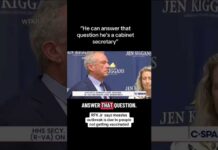

A federal health agency now runs a YouTube cooking show led by the nation’s top health official, turning dietary policy into kitchen-table content.
Story Snapshot
- Health and Human Services launched “The Real Food Show” to teach low-cost, healthy cooking tied to new federal dietary guidelines.
- Episodes feature Secretary Robert F. Kennedy Jr. and guest chefs demonstrating budget-friendly recipes under five dollars per serving.
- Critics say the series often feels like political messaging and lacks culinary depth or joy.
- The effort spotlights a larger trust gap: people want clear nutrition help but doubt government-led campaigns.
What HHS Launched and Why It Matters
The Department of Health and Human Services created “The Real Food Show,” a video series hosted by Secretary Robert F. Kennedy Jr. The agency says the goal is simple: help families cook healthy meals at low cost, using clear steps and common ingredients. Officials frame the show as a bridge from policy to practice. They say it turns the 2025–2030 dietary guidelines into everyday dishes people can actually make at home.
Episodes pair Kennedy with well-known chefs who show basic techniques and price points per serving. Press materials highlight meals that aim to come in under five dollars, with a focus on whole foods, simple prep, and pantry staples. This approach matches the federal dietary guidance that urges more fruits, vegetables, whole grains, and balanced proteins across the lifespan, updated every five years by two departments.
How The Show Connects to Federal Dietary Guidelines
Health and Human Services and the Department of Agriculture publish the Dietary Guidelines for Americans to steer eating habits and public programs. The latest edition sets evidence-based goals that shape school meals, education, and public advice. The show is pitched as the practical arm of that plan, translating policy into step-by-step cooking that families can use right away in their kitchens.
Communication experts have long said science only helps if people can use it. Research on food guidance stresses that messages must be clear, culturally aware, and repeated in plain language. Trust also matters. People respond better when they believe the messenger and see the advice fit their daily lives and budgets. Government campaigns often struggle on these fronts, even when the science is sound.
Praise, Pushback, and the Trust Gap
Supporters applaud the show’s focus on cost and basics, saying many households need simple, low-price recipes. The structure—chef-led demos, clear steps, and price tags—aims to remove guesswork. Health and Human Services press releases stress that “real food” can be both affordable and tasty when planned with pantry staples and simple methods. That pitch meets a public appetite for straight, useful guidance during a time of tight family budgets.
Critics argue the series slides into political notes and lacks cooking depth. A columnist in The Hill said Kennedy often defers to the chef and adds little practical input, while voicing talking points from the administration. Salon’s review said the show has all the parts of a cooking program but little of the curiosity or joy that draws viewers in. These critiques echo a broader problem: people want help but distrust top-down health campaigns, especially when the messenger is a politician.
Sources:
reason.com, hhs.gov, odphp.health.gov, foxnews.com, usda.gov
© oldglorychronicle.com 2026. All rights reserved.