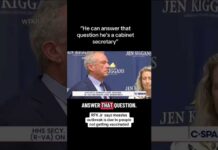

A federal judge halted the White House’s ban on CNN, MS NOW, and Politico, restoring their access for now.
Story Highlights
- Judge issued a temporary restraining order restoring access for the three outlets.
- The outlets sued, saying the ban punished reporting and lacked due process.
- Reporters were turned away and had credentials pulled after Trump’s remarks.
- Prior court rulings on press passes weighed heavily in this decision.
What the Judge Ordered and Why It Matters
United States District Judge Timothy Kelly blocked the White House from enforcing its ban on CNN, MS NOW, and Politico. The judge granted a temporary restraining order that restores their access while the case proceeds. The order signals the court sees urgent harm if access stays blocked. It also reflects earlier rulings that say the White House cannot yank press passes without fair process once it opens facilities to the press.
The court’s action came fast after the outlets filed an emergency request. The lawsuit argues the ban punished the outlets for their coverage. The complaint also says the White House failed to give notice or a chance to respond before pulling credentials. The judge set an expedited path, which shows the court views timely access as important during ongoing news events. The order is temporary and does not decide the full case yet.
How the Ban Unfolded at the White House
Reporters from CNN, MS NOW, and Politico were denied entry on September 19, 2026. Security turned them away at the gates, and at least one reporter had a badge taken, showing access was cut in practice, not just on paper. The access revocation followed public remarks from President Trump criticizing those outlets and accusing them of “fiction and lies,” before the blocks occurred. The dispute then moved quickly to federal court through a joint lawsuit.
The White House defended the move by framing access as a privilege, not a right. Officials argued that allowing or removing an outlet’s presence is within executive control when security or integrity is at stake. The lawsuit counters that view, saying the Constitution bars viewpoint discrimination and requires due process when facilities are open to the press. Courts have often analyzed these fights as both a First Amendment and a Fifth Amendment issue.
The Legal Precedents Shaping This Fight
Past cases set guardrails on press-pass decisions. A 1977 federal appeals ruling in Washington, D.C., held that once the White House opens press facilities, it cannot deny access arbitrarily and must give reasons and fair procedures before pulling a pass. Judge Kelly also handled CNN reporter Jim Acosta’s case in 2018, where due process concerns led the court to side with the journalist at the early stage. Those rulings weighed on the current order.
Judge Kelly blocked the White House from keeping CNN, MS NOW, and Politico out over coverage the president dislikes.
That’s the rule: the government doesn’t get to pick which newsrooms count as press because the stories sting.
A TRO restores access while the case continues. It is… https://t.co/RpEK3hpKjK— Tim (@TimMOhio) September 24, 2026
Today’s order fits a long pattern: presidents may dislike coverage, but courts limit retaliation and demand process. Conservatives worry that media bias shapes narratives. Liberals fear government pressure can chill reporting. Both sides see a larger problem when powerful offices can hand out access to friends and punish critics. The judge’s step does not end the case, but it marks a check on executive power while the core claims get tested in court.
Sources:
reason.com, pbs.org, yahoo.com, npr.org, abcnews.com
© oldglorychronicle.com 2026. All rights reserved.